“The French invented sparkling wine; the Germans perfected it.” |
| I thought this was a fairly well-known quote, though when I did some quick online research I couldn’t find any clear references to this sentence. (Where in the hell did I hear this line? Did I make it up?)
Either way, one must quickly admit that the idea is intellectually lazy – at worst just historically inaccurate and at best wildly simplistic. The deeper context of the phrase, however, does have some basic merit. In the late 19th and early 20th century there was a huge amount of cultural and financial exchange between the western parts of Germany and the French sparkling wine regions. The German names one sees to this day sprinkled across Champagne – Krug, Heidsieck, Mumm to name but a few – speak to this shared cultural history. One must also admit that whatever part of this cultural history the Germans have a right to share, well, this heritage was largely squandered in the post-war period as Germany shifted its production largely to cheap sparkling wines. This is the first sin of German sparkling wine and the few estates that tried to make *serious* sparkling wines through these dark times could find little market or demand. The fact that estates like Lauer in the Saar (the Saar was one of the meccas of late 19th-century sparkling wine production) can release, to this day, sparkling wines from the 1980s and 1990s has less to do with any Dom Pérignon-esque idea of “plentitudes” or optimum cellaring for well-heeled collectors and everything to do with a non-existent market. The second sin of German sparkling wine, to my mind, is its ubiquitousness, even at the finest estates in Germany. In nearly 20 years of tasting, basically every session begins with the off-handed remark, said almost as an afterthought: “Would you like to taste my sparkling wine?” And that’s what most of these wines taste like: an afterthought. They were good enough – sometimes very good as this is a profound landscape for sparkling wines, as we will soon see – but rarely thrilling. Then along comes a specialist, a true expert with deep experience (despite her youth, we will discuss this) who puts all her focus, passion, and intelligence toward crafting sparkling wines, and the chasm that was once so painfully obvious between Champagne and German Sekt, almost instantaneously, disappears.
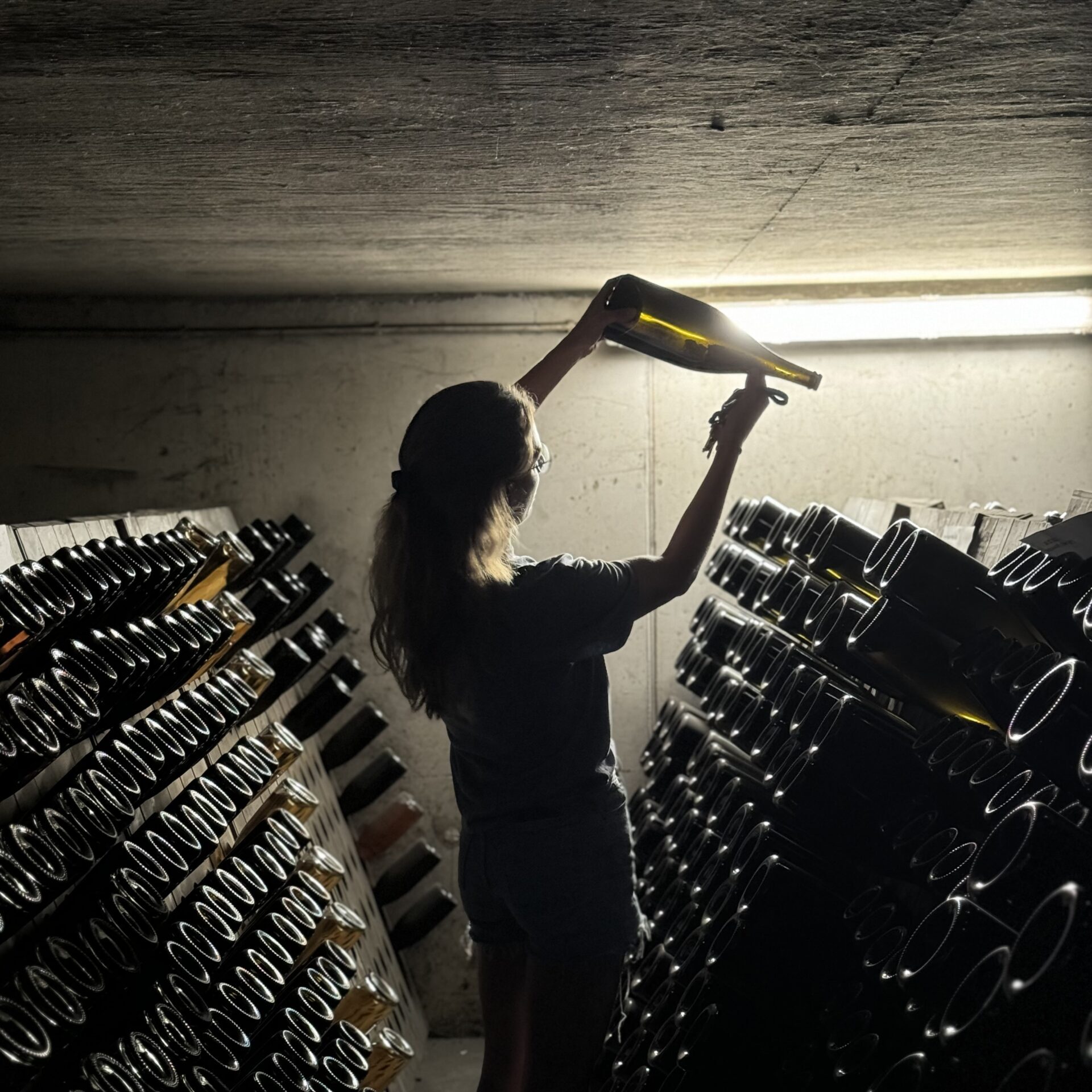
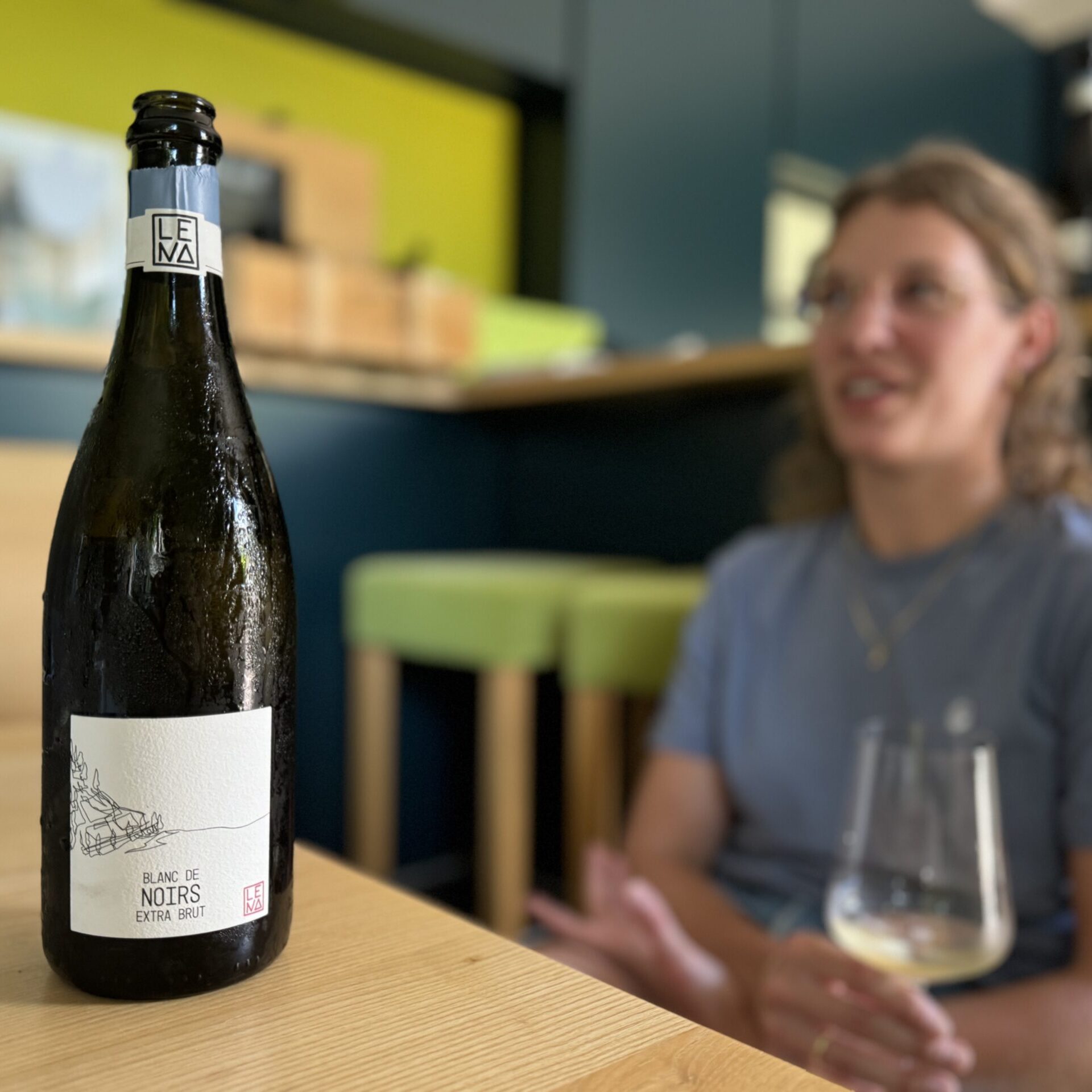
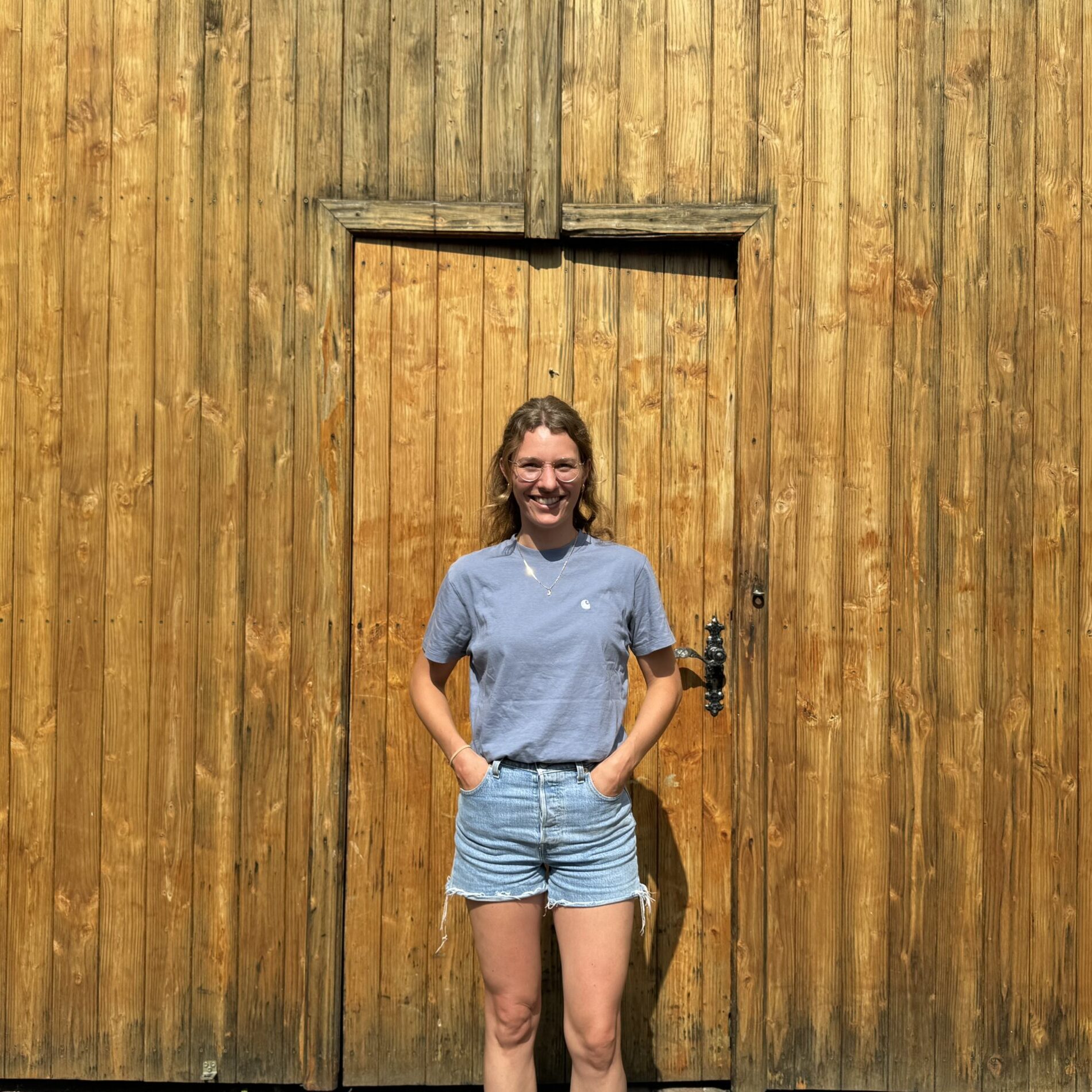
Lena‘s family’s estate is in Ingelheim, a village in the northernmost part of the Rheinhessen. If the village’s name sounds familiar, there are two possibilities. Either you’ve heard of the Imperial Palace built here by Charlemagne in the 8th century, or you’ve become obsessed with the wines of Carsten Saalwaechter whose estate is also in Ingelheim. It is these same cool, limestone-riddled soils that Lena uses to supreme affect in her sparkling wines. Yet while Lena is in very close contact with her sites and vineyards, her brother manages the day-to-day at this small family estate and makes all of the still wines. Lena, as it turns out, has a day job: She manages the family’s Sektkellerei which produces sparkling wines for numerous estates around Germany. And this, the unending diversity of projects, the various customer demands and expectations and, frankly, the sheer volume, means that Lena has had an extraordinary amount of experience for someone her age. She has, quite literally, done nearly everything one can do in the world of sparkling wine, hundreds of times for hundreds of different bottlings. This – sparkling wine – is the beginning, middle, and end of her day, every day. This is not an exceptional line to write about someone in Champagne. In fact, it is a very rare situation in Germany. The other serious advantage of her situation is that she can apply something of a spare-no-expense philosophy to her micro-production cuvées. This is where she can apply her experience, her passion, her focus, without having to worry about the considerable financial realities of making sparkling wine. And you can taste it. The sparkling wine revolution now taking place in Germany is really more of a renaissance. This is not a discovery for Germany; it is the return of quality sparkling wine for Germany and its winemakers. From Sekthaus Raumland to Griesel to Keller and Kissinger and the ambitious project Sektgut Christmann & Kaufmann, we are at the very beginning of a beautiful and delicious story. Lena’s micro-production sparkling wines, we think, will occupy an important part of this new narrative. |

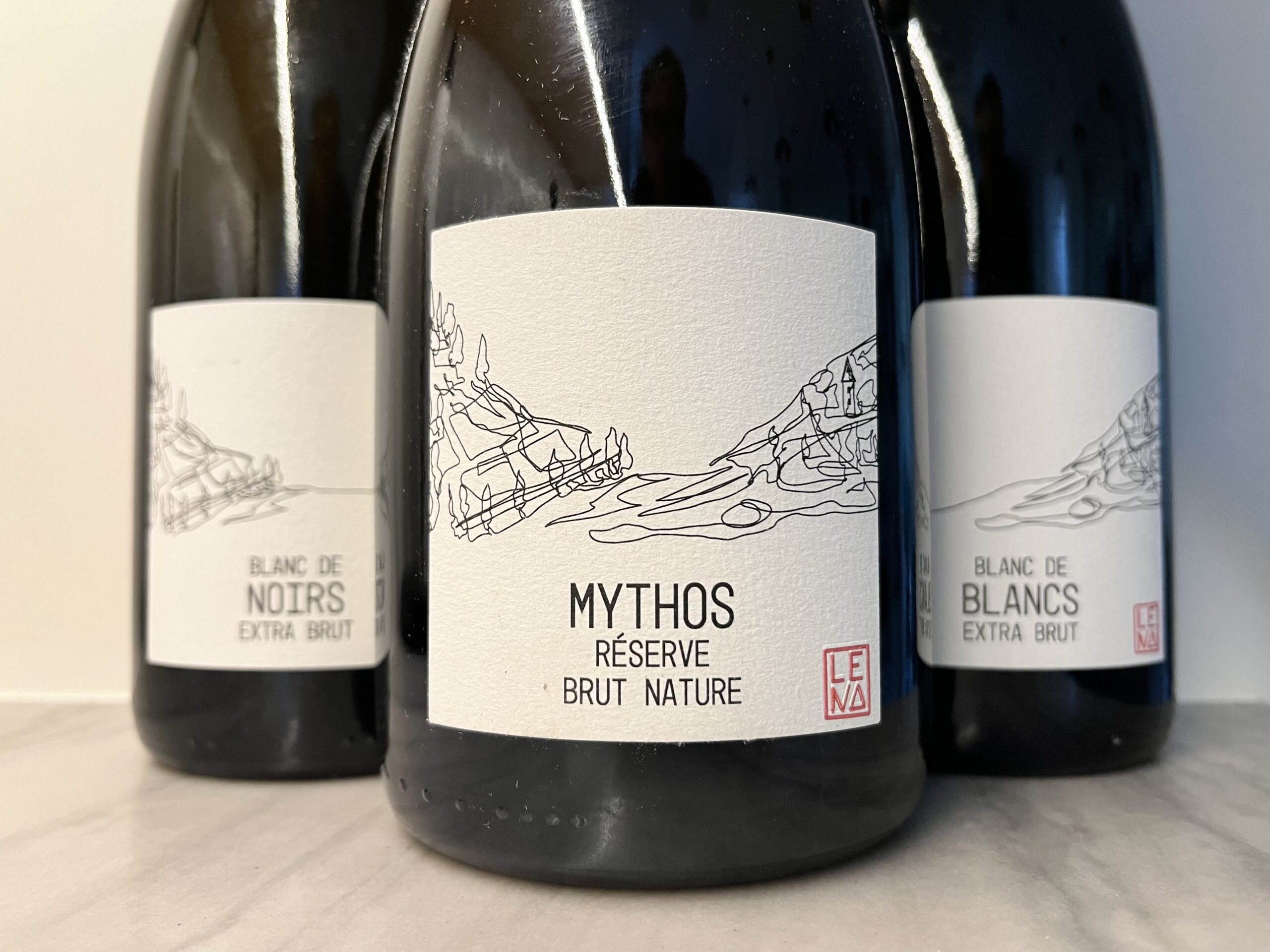 If sparkling wine is of interest to you, these are nothing short of must-buys, for pleasure, for research. Note that while the gap in quality between Champagne and German Sekt is beginning to erode, the pricing differential is more dramatic than ever. You can likely buy one bottle of all the sparkling wines Lena makes and still be below the cost of many (most?) bottles of fine Champagne.